
OUR STORY
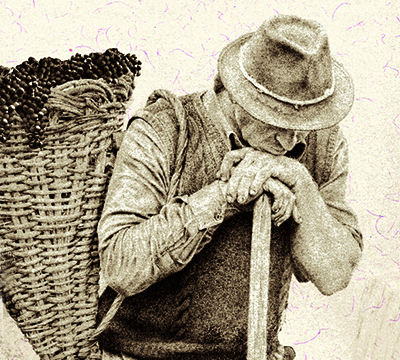
The Filippini family history in the Paso Robles area began in the early 1960’s when winery owner, Sylvia Filippini’s, family purchased the property where Le Vigne winery now stands. Hay and cattle were the main commodities until 1982, when the first grapevines were planted. That time was the catalyst for what evolved into the current Paso Robles wine region. Early on, Chardonnay and Cabernet Sauvignon were planted to supplement the growing demand of other wine growing regions like Napa and Sonoma. As the vines matured, growers and winemakers began to see real potential for the area with its unique soils, climate and coastal influence.
The grapes grown on the estate were highly regarded by local producers and always in demand. Recognizing the quality, the family began making wine with grapes from the property beginning in 1989. Then they built a state of the art winery in 1995 and developed additional vineyards in 1998. They expanded the wineries varieties to include: Merlot, Syrah, Sangiovese and Cabernet Franc in addition to the original plantings of Cabernet Sauvignon and Chardonnay. Additionally small blocks of Grenache, Petite Sirah, Malbec and Tannat were planted.
Cabernet Franc 5.5 Acres
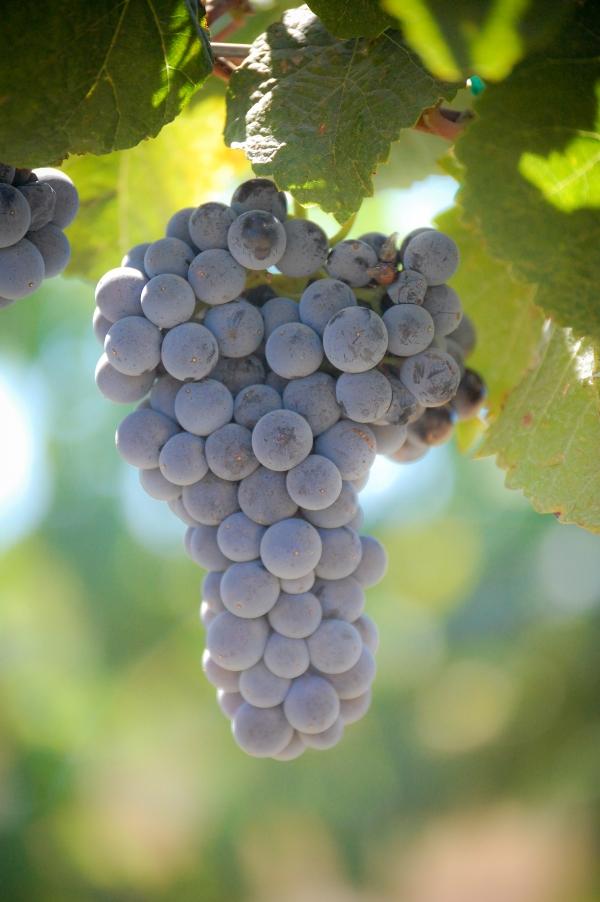
Originally from Bordeaux, France, Cabernet Franc vines bear thinner skinned and earlier ripening grapes, with lower overall acidity, when compared to Cabernet Sauvignon. With typical flavors of raspberry, cherry, plum, strawberry, violet, bell peppers and freshly raked autumn leaves, it is often blended with Cabernet Sauvignon & Merlot.
OUR TEAM
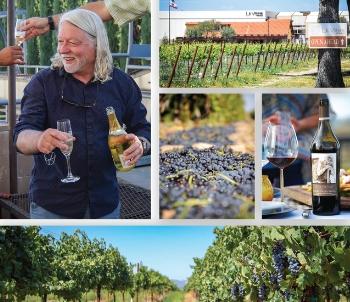
As a family-owned winery, our team strives to offer a warm family welcome to every guest who enters through our doors. From our Winemaker, Terry Culton, to our knowledgeable and hospitable tasting room attendants, we work together to ensure that each visit or special event will be a memorable one.
We recognize the varying wine familiarity and desires of our guests, and our staff are dedicated to presenting our wines in a way that will be meaningful to each visitor. Our goal is to find everyone something that they will truly enjoy, while also educating about the diverse selection of wines and cheeses that we have to offer. Whether you are open to learning and trying new wines or prefer to stick to your usual favorites, we focus on your desires and personalize each and every tasting experience.
We are excited to hear your story and will work with you to keep your cellar stocked for any occasion--whether you plan on opening your bottle the same day or want to tuck it away in your cellar at home.
OUR VINEYARDS & RANCH
LE VIGNE DI DOMENICO
88.60 acres under vine
Planted in 1981
Predominantly East to West
Predominantly 10 x 6 row planting
Drip Irrigation
Clay Loam Soil
Undulating Terrain
Hand and Machine Harvested

[ Click on image to enlarge ]
DOMENICO ESTATE VINEYARD
The Domenico Estate Vineyard is comprised of nearly 120 acres planted in five blocks, situated around the winery to the north, west and south. The otherwise flat basin of the Salinas valley is crossed by meandering dry river beds with clay loam soil deposited by the course of the Estrella River. The cool, damp air off the Pacific Ocean that rushes through the Templeton Gap dissipates just as it approaches the broadly rolling plains at the western border of the Estrella district, resulting in rainfall at the low end of the range for Paso Robles. The open exposure as the sun tracks wide over the valley creates a vast diurnal swing in temperature—up to 50 degrees during the growing season. Our moderate winters and rainless, though often foggy, summers are features of a Mediterranean climate shared by wine regions of Southern Italy, Greece, and the Southern Rhone Valley.

[ Click on image to enlarge ]
ACQUARELLO ESTATE VINEYARD
The Acquarello Vineyard is northeast of the winery, just below the coastal range footlands. Acquarello translates from Italian to “watercolor”, named for the influence of the river across the landscape as it paints itself into the terrain. With 33 acres planted, this vineyard is home to our youngest plantings of cabernet sauvignon, merlot, sangiovese and petit verdot. Located on the south bank of the Estrella river, vines are treated to a northward slope and morning sun with cool air temperatures for most of the year. The cold air rolling down the sides of the valley settles in low spots such as this, bringing a risk for frost damage in the spring. As the growing season progresses, the intense sunlight warms the vines rapidly and brings the fruit to maturity well before cool weather returns to the vineyard.
VARIETALS GROWN
Cabernet Franc 5.5 Acres
Originally from Bordeaux, France, Cabernet Franc vines bear thinner skinned and earlier ripening grapes, with lower overall acidity, when compared to Cabernet Sauvignon. With typical flavors of raspberry, cherry, plum, strawberry, violet, bell peppers and freshly raked autumn leaves, it is often blended with Cabernet Sauvignon & Merlot.
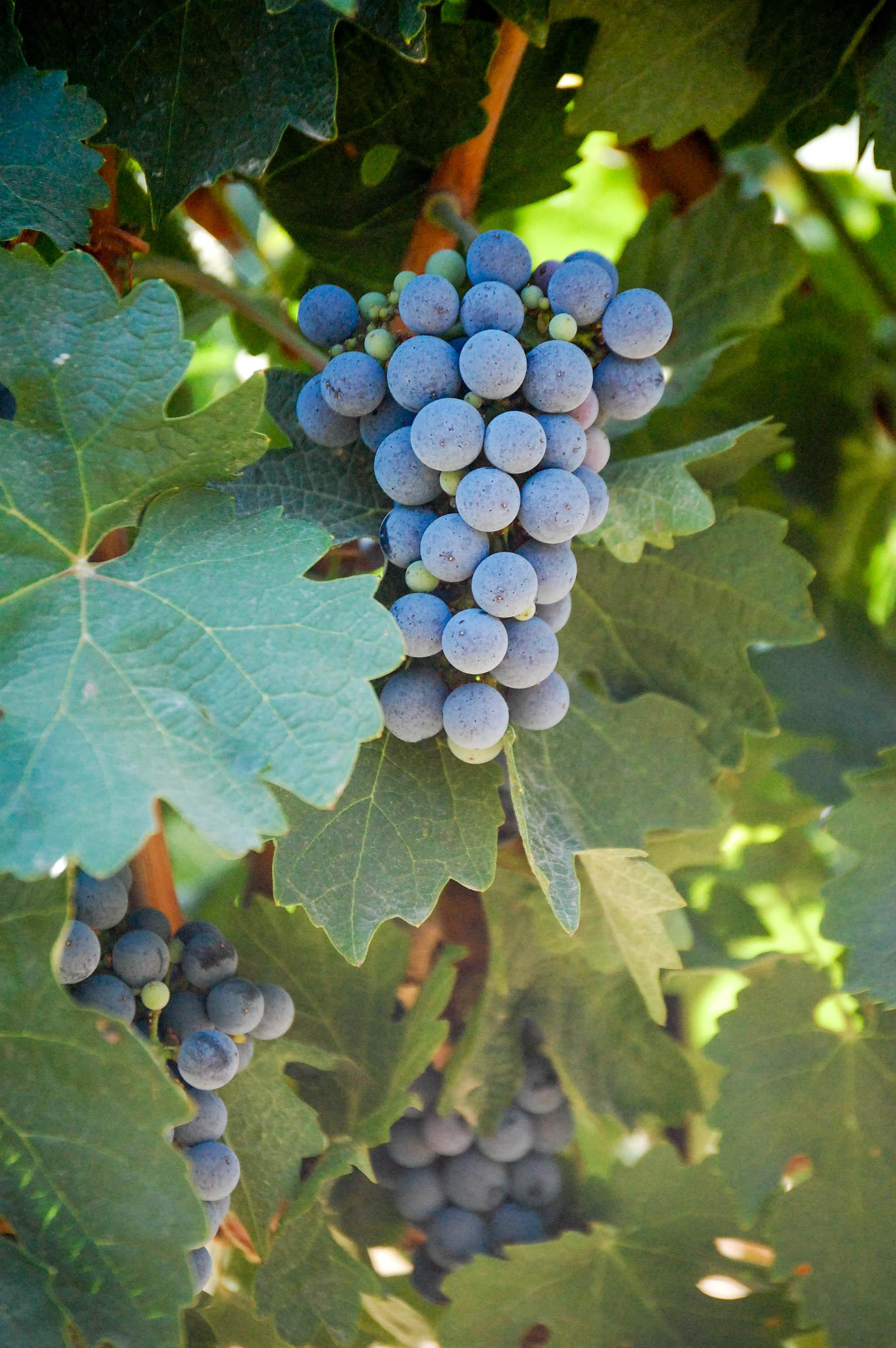
Cab. Sauvignon 14 Acres
A dark thick-skinned tannic red wine grape from the Bordeaux region of France, it is one of the world’s most widely planted red wine grapes. A cross between Cabernet Franc and Sauvignon Blanc, Cabernet Sauvignon is the second most planted grape in the world, following Merlot, but easily the most recognizable and best known. Its notoriety comes from not just the distinctive fruit flavor but also from its expressiveness of vintage and terroir-influenced characteristics.
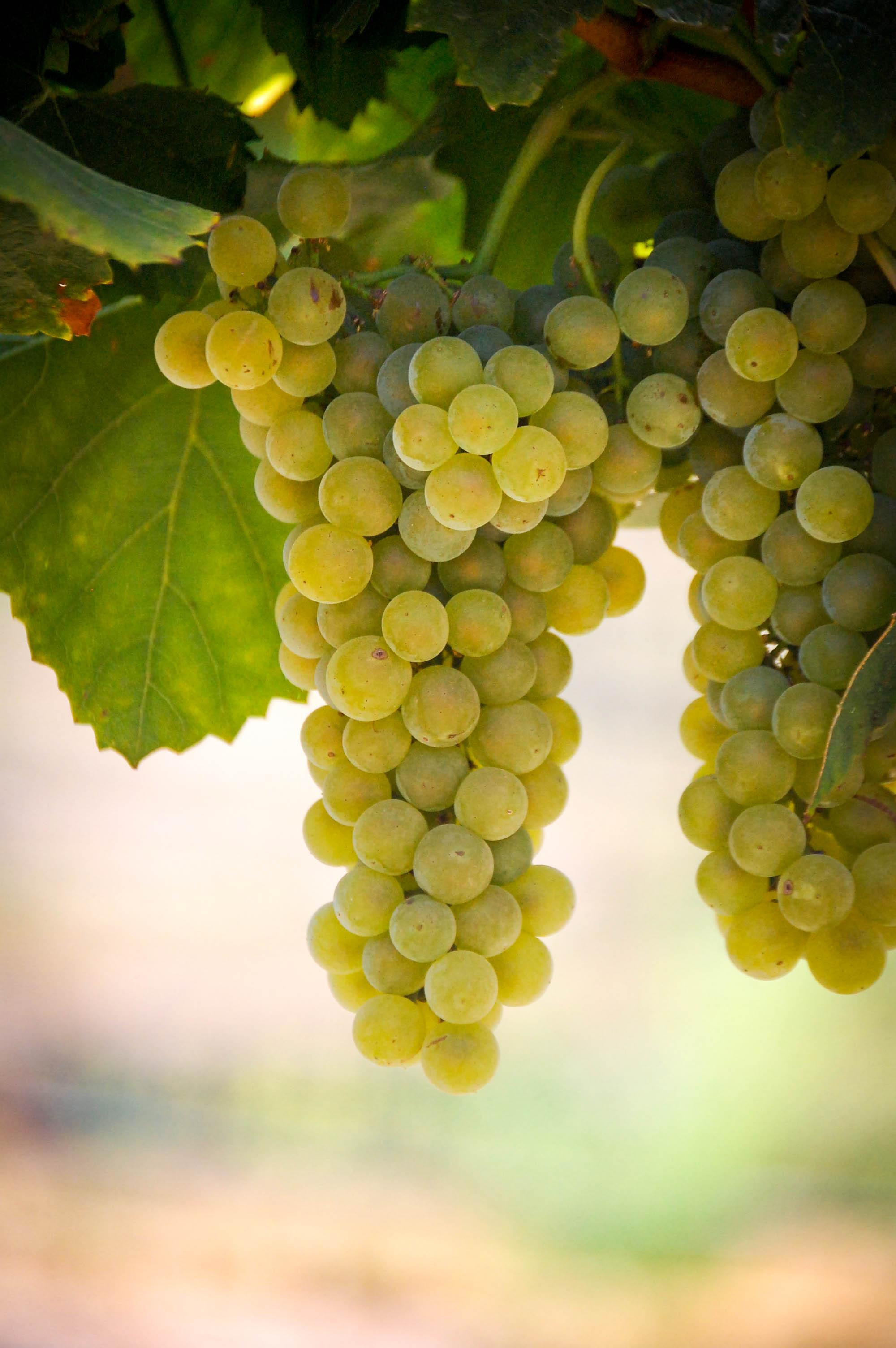
Chardonnay 9.5 Acres
Chardonnay originates from the Burgundy region of France and today is one of the world’s most planted white wine grapes. Chardonnay styles can range from light and crisp to buttery and creamy, depending on the climate, the type of fermentation vessel, whether oak or stainless steel, and whether it underwent malolactic fermentation. Typical flavors are apple, pear, peach, apricot, butter, cream, kiwi & lemon.
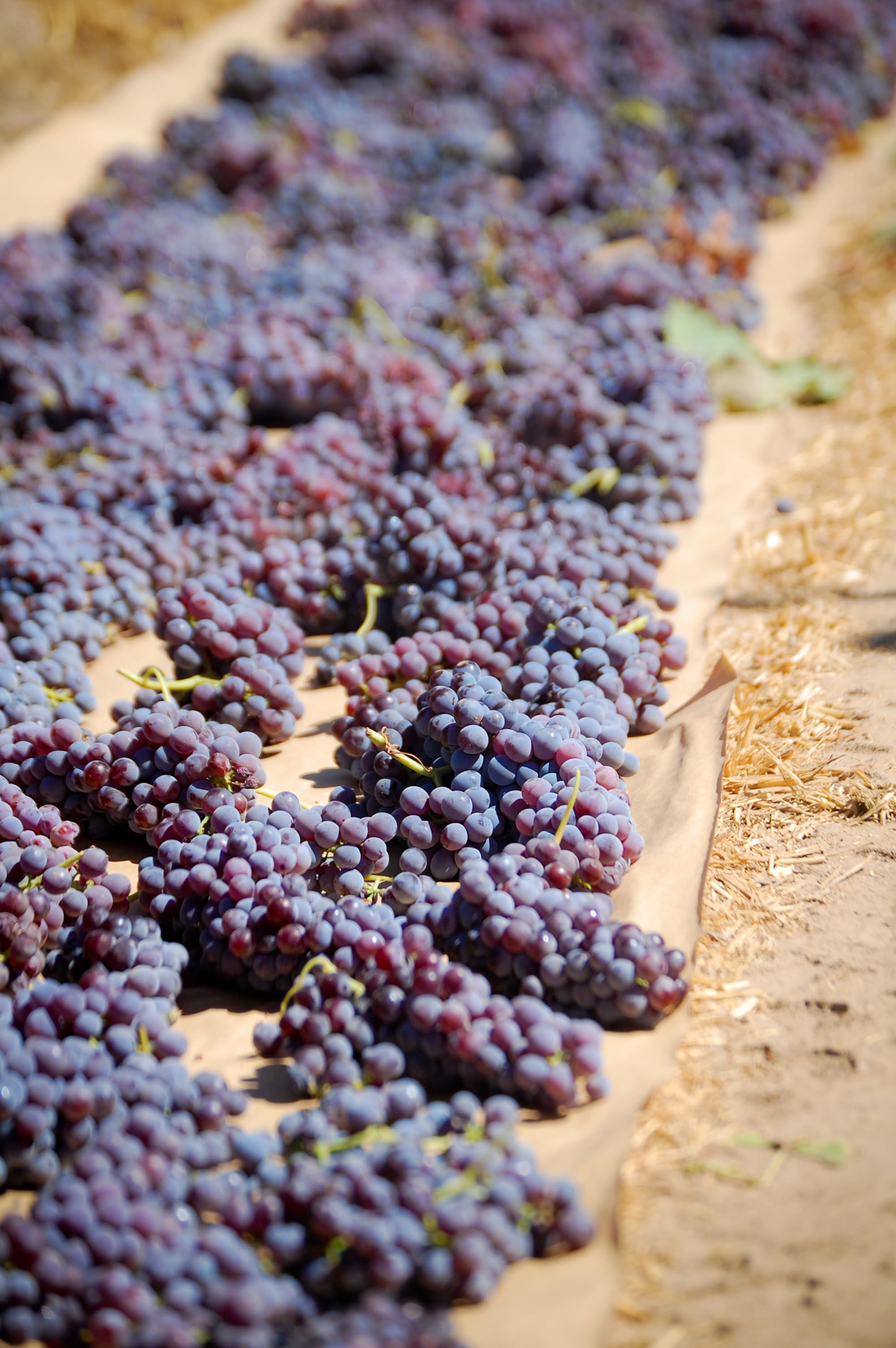
Corvina 0.3 Acres
A thick-skinned varietal found in the Veneto region of northern Italy. A key ingredient of the light red wines known as Valpolicella and Bardolino. These wines tend to be light and fragrant with notes of cherries, strawberries and nuts. More serious expressions of Corvina are made by drying the grapes on straw mats prior to fermentation, a process known as Recioto or Ripasso. The best of these are the great Amarones, a wine of considerable character, complexity and power.
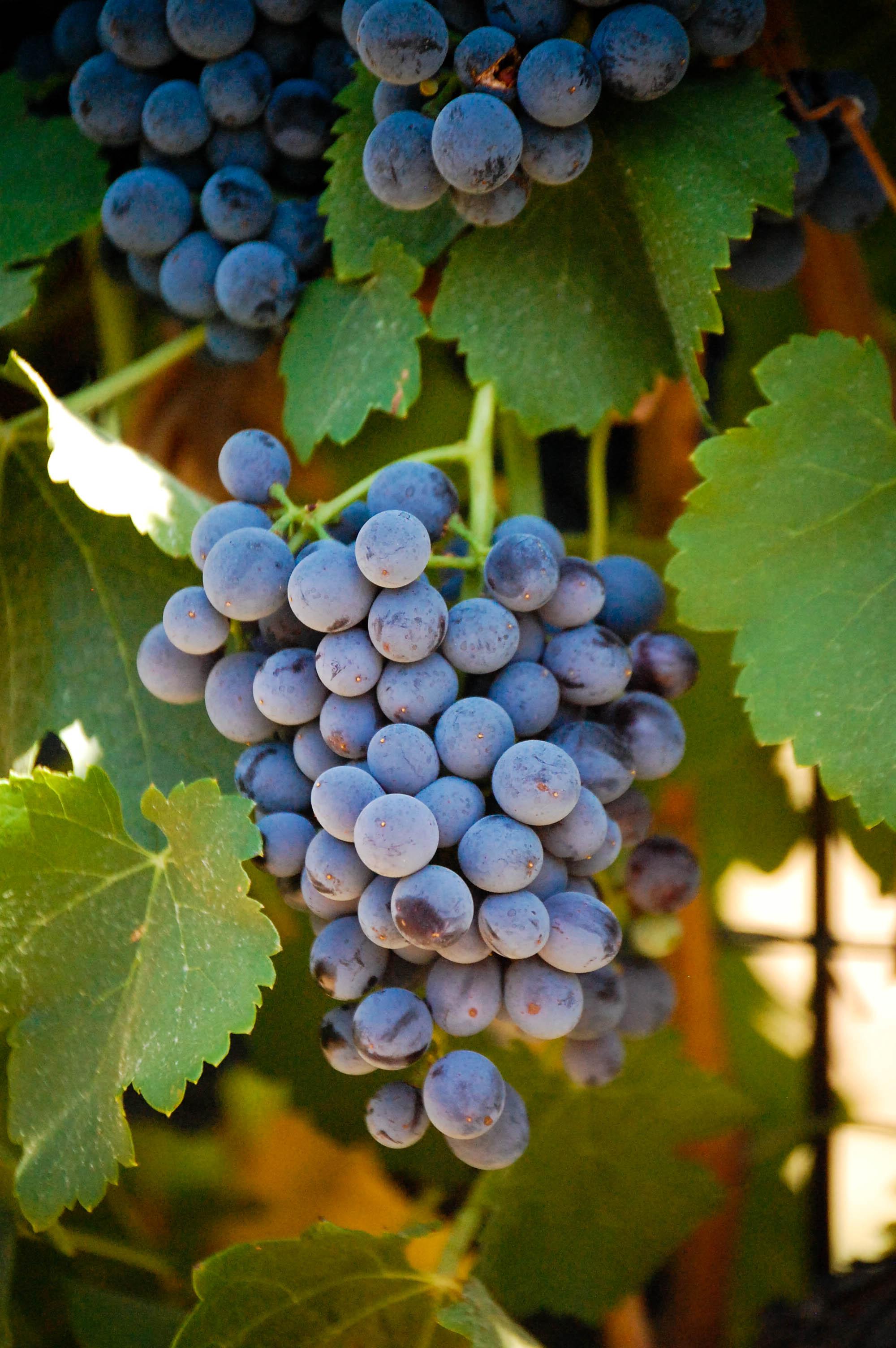
Grenache 2 Acres
Grenache is a ubiquitous varietal with a history in many of the world’s winegrowing regions, most famously France’s Rhône region. The stony vineyards of the Southern Rhône are subject to warming from the Mediterranean Sea and cold winds accelerating down the valley from the north. With a latitude 10° nearer the equator, Paso Robles enjoys more sun and heat but a similar marine cooling influence from the Templeton gap, which creates a similar climatic variance.
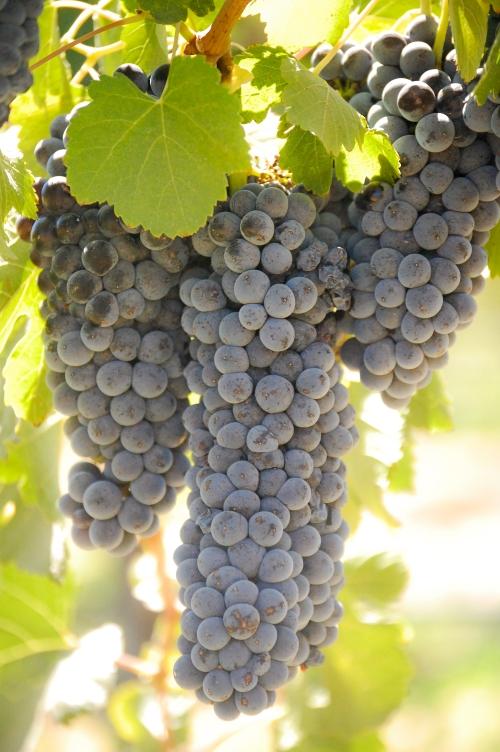
Malbec 2.5 Acres
The origin of Malbec is as one of the traditional Bordeaux grapes, but is increasingly recognized as a varietal in new-world wine regions. The purple, thinner-skinned fruit is identifiable by its crimson rachis (the stem within the cluster) and typically ripens between Merlot and Cabernet Sauvignon in sequence. It is Argentina’s most planted varietal, producing wines that have generated fame for the region and earned new respect and interest for the varietal.
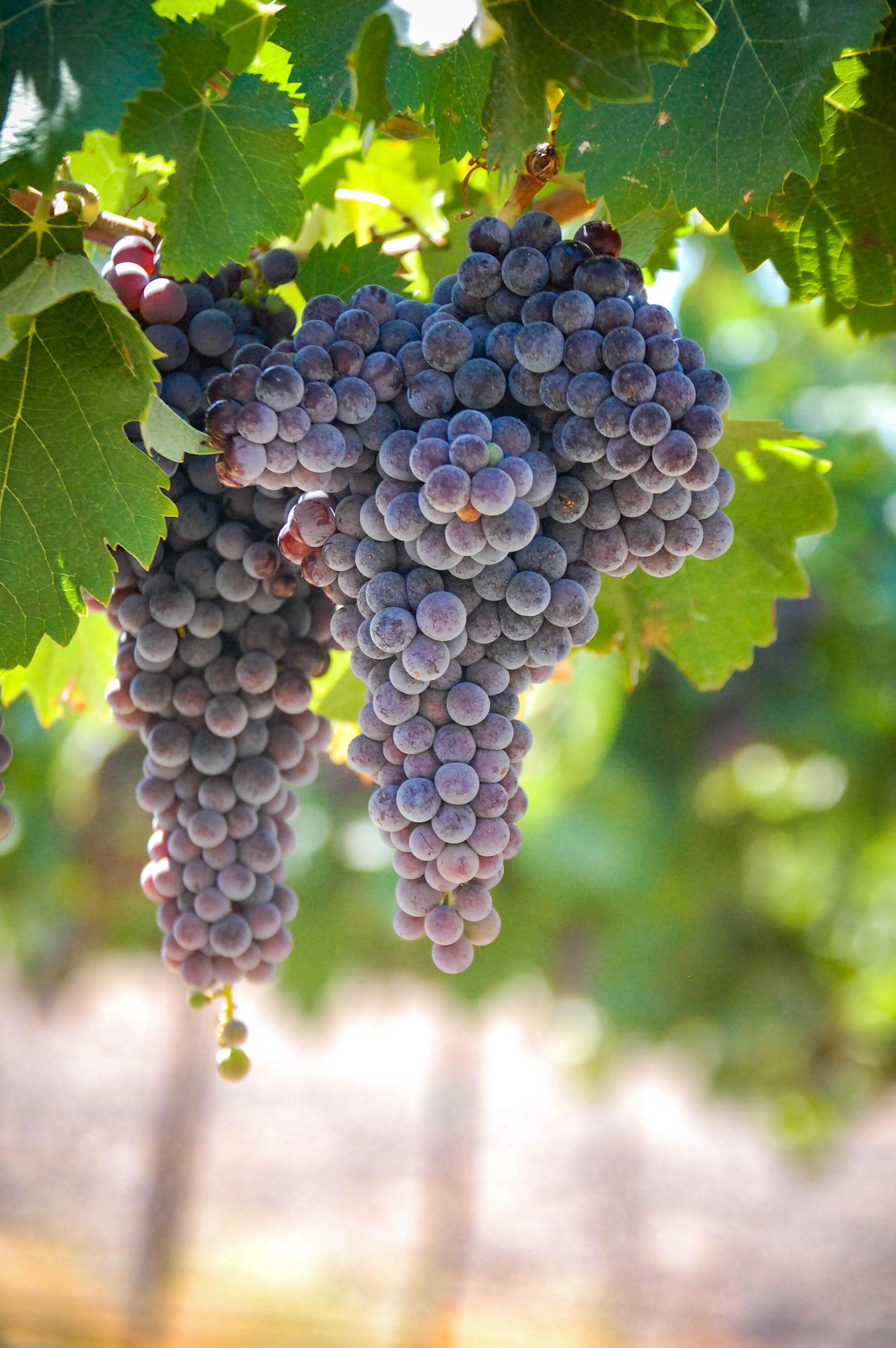
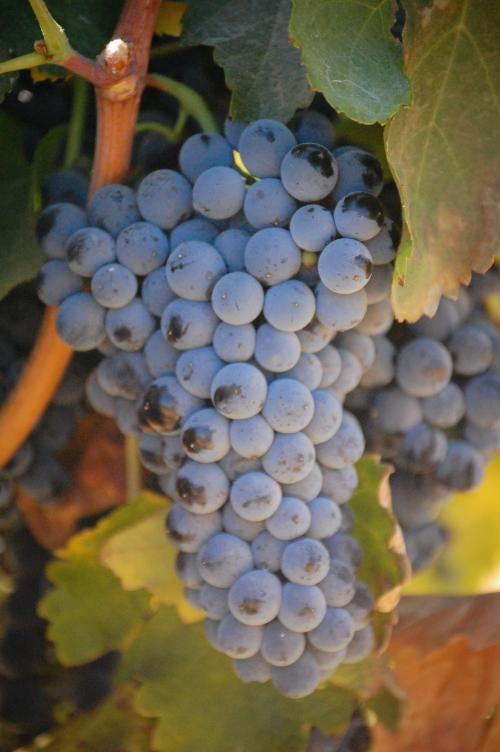
Petite Sirah 5.75 Acres
Petite Sirah is a star varietal in the Paso Robles region. The grapes bake the tannins in the heat of the day and cache the acidity during cool, crisp evenings. Originating from the southeast of France, it was considered unsuitable for winemaking in the Rhone. The emergence of a style, that is unique to California, has resulted in tremendous popularity; the wines spotlighting the richly tannic and balanced flavors of spicy plum, spice and licorice.
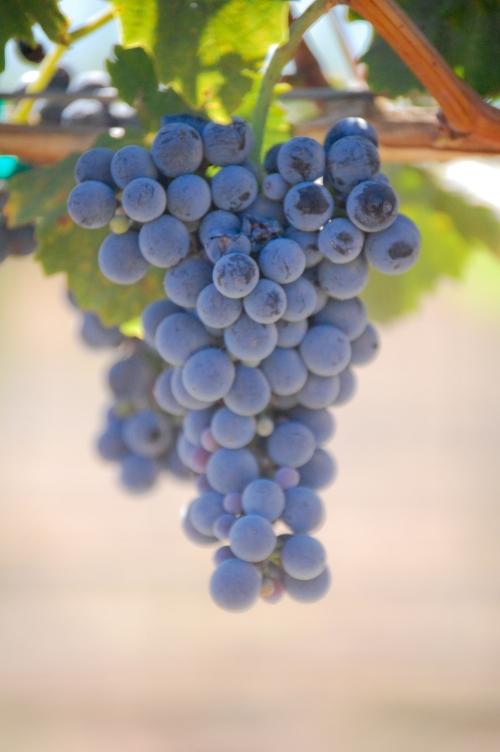
Petit Verdot 1.1 Acres
Petit Verdot is a variety of red wine grape, principally used in classic Bordeaux blends. The varietal has attracted attention among winemakers in the New World, where it ripens more reliably than Bordeaux, and can be used to make bold and intriguing single varietal wines or is used to “stiffen” the mid palate of Cabernet Sauvignon blends. When young its aromas have been likened to banana and pencil shavings. Strong tones of violet and leather develop as it matures.
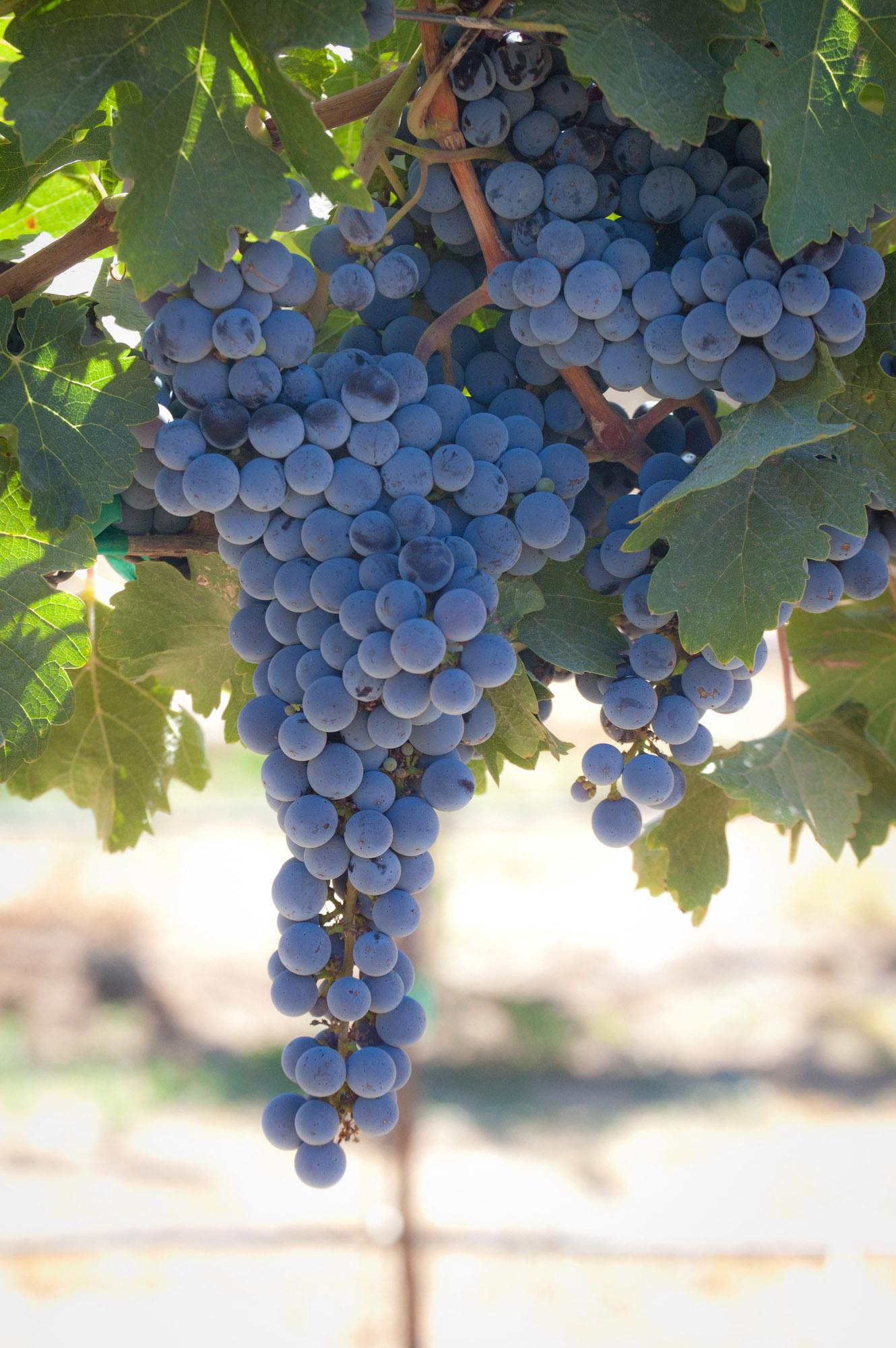
Sangiovese 2 Acres
The most planted red varietal in Italy, Sangiovese is characterized by large, thin-skinned berries, slow ripening and heavy yields. Only in the last century has it gained recognition beyond its use in mass-market Chianti wine, primarily as California’s relatively recent plantings have moved away from yield-driven selection to the propagation of superior clones. The best practices seek to enhance the complexity of its naturally bold structure to produce rich and long-lived wines.
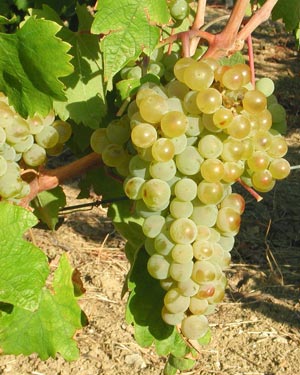
Sauvignon Blanc 3 Acres
A white wine variety grown in both Bordeaux & the Loire in France, it is also the varietal most associated with New Zealand. Depending on the climate and certain wine - making decisions, the flavors of sauvignon blanc can vary from tropical pineapple and lychee, to floral with aromas of white fruit, grassy gooseberry and grapefruit. It typically pairs beautifully with seafood, especially oysters, and soft cheese such as chevre.
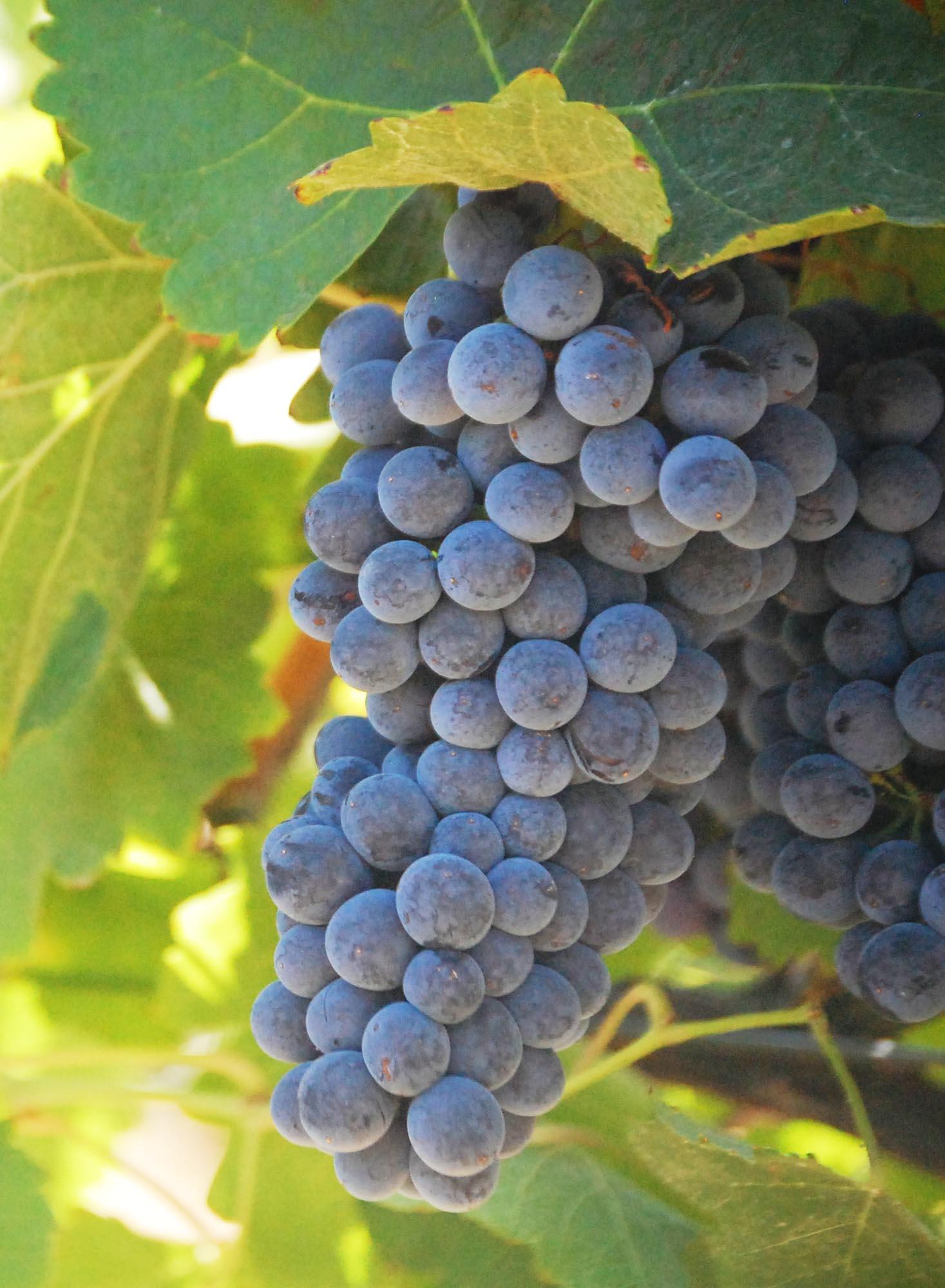
Syrah 2.5 Acres
A red Rhône grape varietal, also known as Shiraz in the southern hemisphere, it was first planted in California in the 1970’s. Syrah should not be confused with Petite Sirah which is a cross of Syrah and Peloursin dating from 1880. Popular in Australia & South Africa it has typical flavors of musk, black currant, blackberry, black pepper, licorice, thyme, cigar, cedar, earth, and leather.
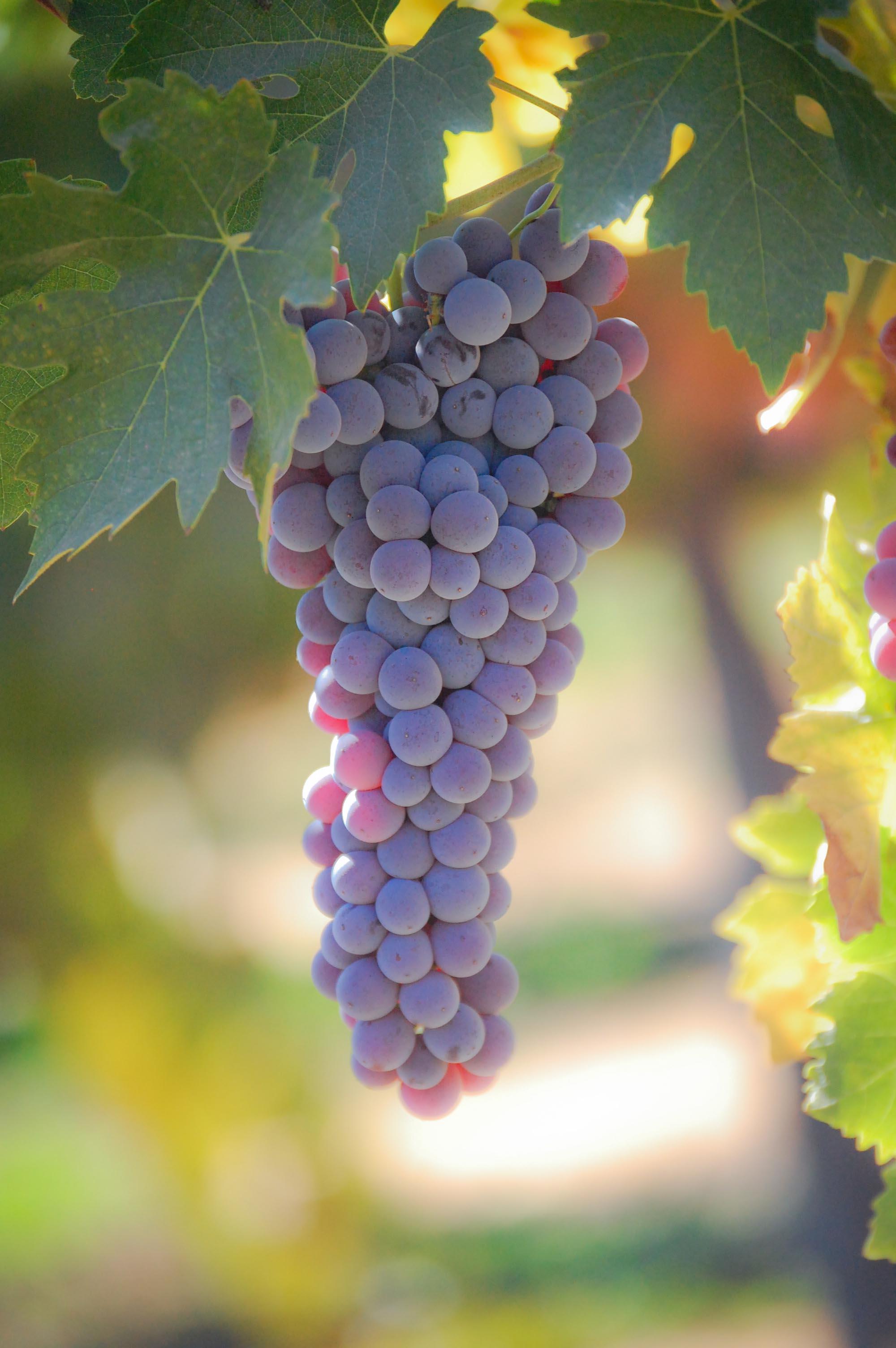
Tannat 2 Acres
A deep red wine grape from the Madiran region in southwestern France, it is now one of the most prominent grapes grown in Uruguay where it is considered the "national grape". Tannat is often characterized by its firm, tannic structure with raspberry aromas and the ability to age well. They often have a deep dark color with higher levels of alcohol.
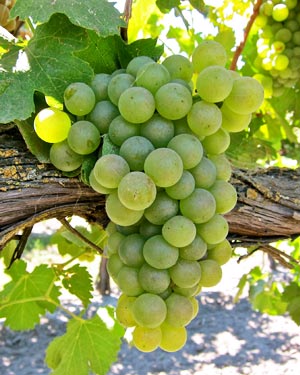
Viognier 1 Acre
A classic varietal from the northern areas of the Rhône valley of southwestern France. Viognier has a thick skin with a heavy yellow pigment that produces wines that have a rich golden color even when young. Viognier is noted for making wine with a very perfumed aroma that can be compared to honey, roasted pineapple, peach syrup, flowers or even fennel.
Beautiful-Templates.com
free joomla template
-
free wordpress theme
OTHER PLANTINGS
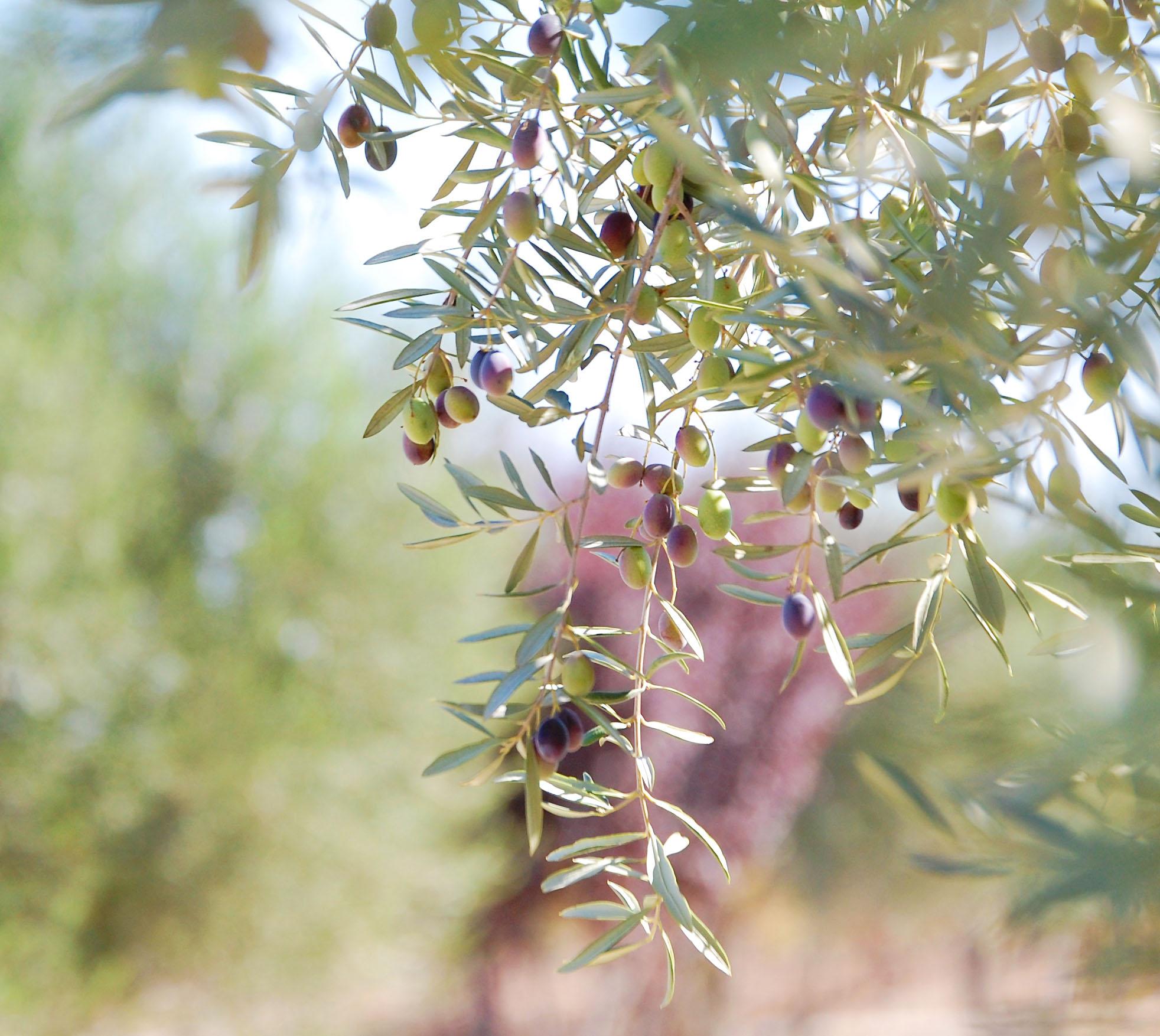
5 ACRES OF ARBEQUINA OLIVE TREES
The Arbequina Olive Tree, which has a weeping-form, and green leaves with a dark appearance, originated in northeast Spain.It features black fruit, which will ripen in Mid-Fall. It resists frost and climate change well, and will produce excellent tasting olives.The fruit is highly aromatic, small, symmetrical and dark brown, with a rounded apex and a broad peduncular cavity. It is small in size and resistant to frost and adapts to a large variety of climates. It is widely sought after for its unique grassy olive oil.
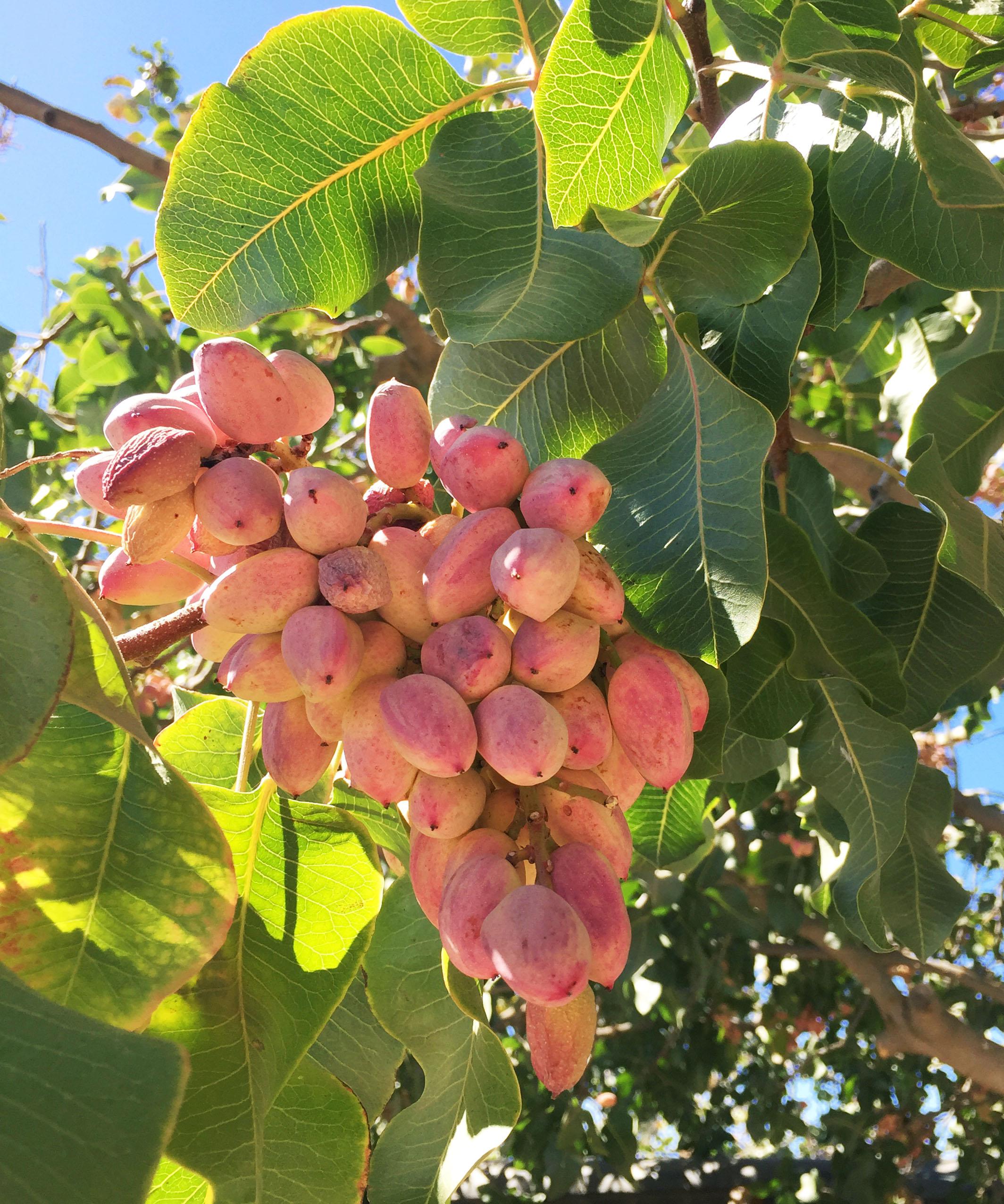
12 PISTACHIO TREES
Originally from Iran, the California pistachio industry did not harvest its first commercial crop until 1976. That year, only 1.5 million pounds were produced from 4,350 acres. Almost 30 years later, California has plantings in excess of 150,000 acres with production yielding more than 400 million pounds. California is the second largest producer of pistachios in the world. One of the lowest fat and calorie nuts. The highest in antioxidant, phytosterol, & fiber. The most nutrient dense nut.


Designed by HARBOURSEVEN + Built by MAITAMA Ltd.